
Natural Alternatives to Harsh Acne Treatments
Table of Contents
- Why Harsh Acne Treatments Often Make Things Worse
- Natural Acne Treatments That Have Clinical Evidence Behind Them
- Best Natural Ingredients for Hormonal Breakouts
- How to Repair Skin Barrier After Acne Treatment
- Gentle Skincare Routine for Reactive Skin: A Step-by-Step Framework
- Natural Acne Treatments: Potential Side Effects and What to Watch For
- When to See a Dermatologist Instead of Going Natural
- Conclusion
Last Updated: August 24, 2026
Aggressive acne treatments damage the skin barrier just as badly as the breakouts they're meant to treat. At Cactus Skincare, we work with people dealing with acne and the aftermath of treatments that went too far. This guide covers natural alternatives to harsh acne treatments that are evidence-informed and safe for reactive, sensitive, and barrier-compromised skin.
Why Harsh Acne Treatments Often Make Things Worse
The biggest mistake most people make with acne is treating it like a problem to be attacked. High-strength benzoyl peroxide, alcohol-based toners, abrasive scrubs, and back-to-back chemical exfoliants all disrupt the skin microbiome and compromise the skin barrier.
The Skin Barrier Problem: What Aggressive Treatments Actually Do
The skin barrier regulates moisture loss, protects against environmental stressors, and maintains pH balance. When aggressive treatments strip this barrier, sebum production increases to compensate, inflammation worsens, and skin becomes more reactive to everything, including products meant to help it.
Common signs of barrier damage include tightness after cleansing, stinging when applying actives, increased redness, and multiplying breakouts.
Acne Type Specificity: One Approach Does Not Fit All
Acne vulgaris covers a wide spectrum. Comedonal acne responds differently to treatment than inflammatory cystic acne or hormonal breakouts. Matching your approach to your acne type is the first step toward choosing natural alternatives that will actually work.
Natural Acne Treatments That Have Clinical Evidence Behind Them
The most defensible natural alternatives are those with published clinical evidence, not just anecdotal support.
Botanical Extracts and Antimicrobial Actives
Tea tree oil has demonstrated measurable antibacterial properties against Cutibacterium acnes in multiple controlled trials, though it requires careful dilution to avoid sensitivity reactions (peer-reviewed research).
Green tea extract's antioxidant and anti-inflammatory activity reduces redness and supports dermal health without disrupting the skin microbiome. Niacinamide, derived from vitamin B3, has strong clinical evidence for sebum regulation, redness reduction, and improvement of post-inflammatory hyperpigmentation.
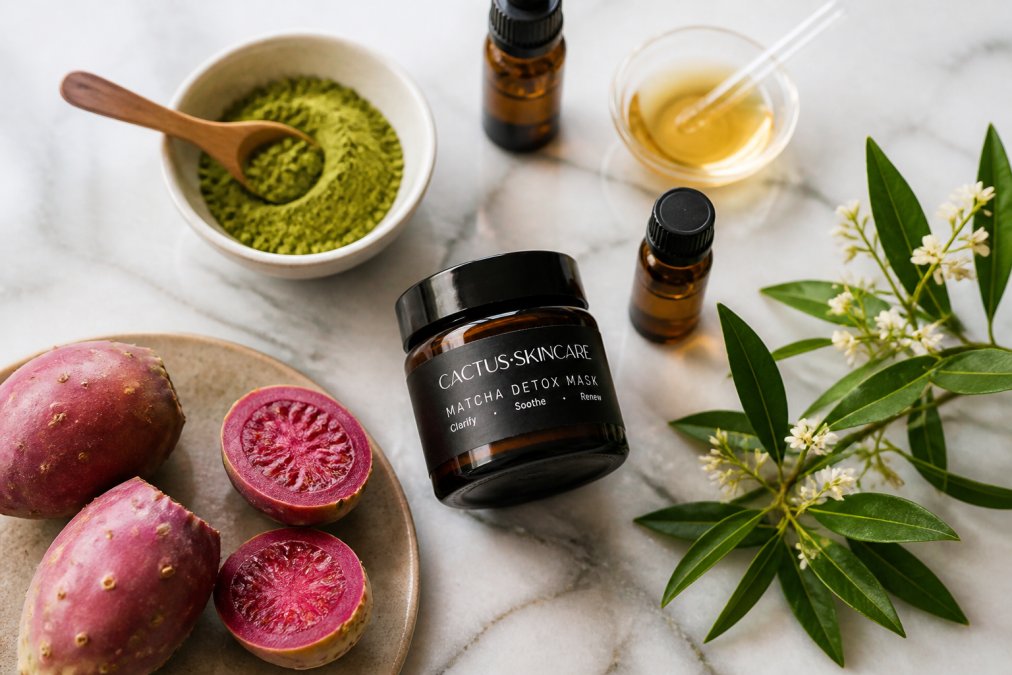
Prickly pear extract contains betalains and flavonoids with documented antioxidant and anti-inflammatory activity, supporting the skin barrier while calming stressed, reactive skin.
Science-Backed Ingredients vs. Common Home Remedies
Remedy |
Evidence Level |
Risk |
Better Alternative |
|---|---|---|---|
Tea tree oil (diluted) |
Moderate clinical evidence |
Irritation if undiluted |
Use in formulated products |
Niacinamide |
Strong clinical evidence |
Minimal at correct concentration |
Formulated serums or creams |
Green tea extract |
Moderate clinical evidence |
Low |
Topical application in skincare |
Toothpaste on spots |
No clinical evidence |
Skin irritation, barrier damage |
Targeted antimicrobial actives |
Lemon juice |
No clinical evidence |
pH disruption, hyperpigmentation |
Vitamin C in stable formulation |
Apple cider vinegar |
No clinical evidence |
Acid burns, barrier damage |
Formulated AHA at correct pH |
Honey (raw) |
Limited evidence |
Variable, hygiene concerns |
Botanical extracts in formulation |
Home remedies involving undiluted acids, astringents, or oils frequently cause more irritation than the acne they target. Formulated bioactive products deliver botanical actives at tested concentrations with appropriate pH balance and stabilisers.
Best Natural Ingredients for Hormonal Breakouts
Hormonal breakouts are driven by androgen fluctuations that increase sebum production and trigger inflammation. The best natural ingredients work on two levels: regulating sebum without stripping and calming the inflammatory response.
Sebum Regulation Without Stripping
Stripping sebum triggers compensatory oil production, making the problem worse. Effective sebum regulation signals the skin to produce less, not nothing.
Niacinamide regulates sebaceous activity at the cellular level and is one of the most dermatologist-approved actives for this purpose. Lemon myrtle, an Australian botanical with naturally antibacterial properties, helps balance oil production while supporting the skin's antimicrobial defences. The Cactus Skincare Light Balancing Crème combines Lemon Myrtle with Sweet Almond Oil and Macadamia Oil to deliver hydration without pore-clogging.

Diet, Hormonal Balance and the Low Glycemic Index Connection
A low glycemic index diet reduces insulin-like growth factor activity, which lowers androgen stimulation of the sebaceous glands. High-glycemic foods are associated with increased sebum production and inflammatory acne.
Dairy, particularly skim milk, has been linked to acne flares, likely due to its hormonal content and effect on insulin signalling. These dietary connections don't replace topical treatment but mean a holistic approach addressing both internal and external factors will outperform topical-only management for hormonally driven breakouts.
How to Repair Skin Barrier After Acne Treatment
Barrier repair is the prerequisite for everything else. A compromised barrier makes actives more irritating, hydration less effective, and skin more vulnerable to scarring and hyperpigmentation.
The core principles are simple: reduce friction, restore lipids, and support natural recovery. This means temporarily stepping back from all exfoliants, retinoids, and high-concentration actives. Prioritise ingredients like ceramides, fatty acids, and humectants that restore the lipid matrix. Give the skin several weeks before reintroducing active ingredients.
Patch Testing Protocols and Ingredient Interactions
A proper patch test involves applying a small amount of product to the inner forearm or behind the ear and observing for 24-48 hours before applying to the face. This is particularly important for essential oils and products containing alpha-hydroxy acids or retinoids.
If you are using prescription acne medications such as topical retinoids or antibiotics, introducing natural actives requires care. According to the Therapeutic Goods Administration, consumers using prescription topicals should consult their prescribing practitioner before adding new active ingredients, as certain combinations can increase skin sensitivity or reduce efficacy. Specifically:
- Benzoyl peroxide combined with certain botanical extracts can increase oxidative stress
- Topical antibiotics combined with tea tree oil may have additive effects
- Retinoids combined with exfoliating botanicals significantly increase barrier disruption risk
Introduce one new product at a time, with at least two weeks between introductions.
Gentle Skincare Routine for Reactive Skin: A Step-by-Step Framework
A gentle skincare routine for reactive skin follows barrier-first logic: every step should cleanse without stripping, hydrate without clogging, or protect without occluding.
Morning Routine:
- Cleanse with a mild, pH-balanced gel cleanser. The Cactus Skincare Lemon Myrtle Cleanser uses naturally antibacterial Lemon Myrtle and finely milled Apricot Kernel to purify without stripping.
- Apply a hydrating, non-comedogenic moisturiser that regulates sebum.
- Finish with SPF30 or higher. Sun exposure worsens post-inflammatory hyperpigmentation.
Evening Routine:
- Double cleanse if wearing SPF or makeup with a gentle oil cleanser followed by gel cleanser.
- Apply targeted actives (niacinamide, bakuchiol, or peptides) to clean, dry skin.
- Seal with a barrier-supportive moisturiser.
Weekly additions:
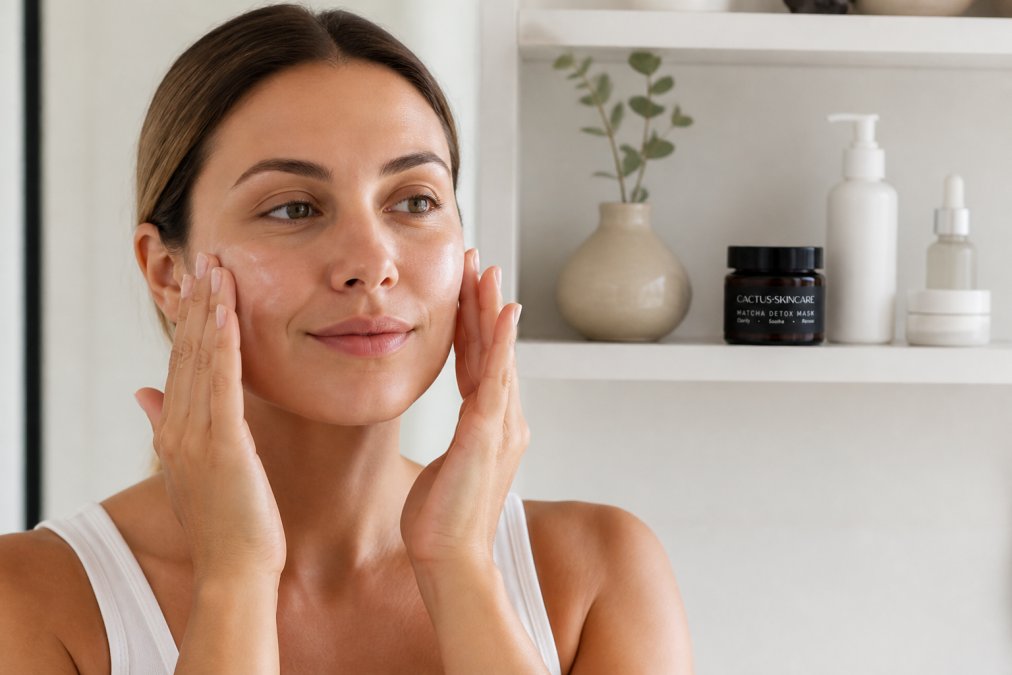
- One to two uses of a gentle clay mask for congestion. The Cactus Skincare Matcha Detox Mask combines kaolin clay with antioxidant-rich matcha, green tea extract, and prickly pear.
- Gentle exfoliation once weekly maximum during barrier repair phases.
Cost-Benefit Analysis: DIY Remedies vs. Formulated Bioactive Products
Raw tea tree oil requires precise dilution ratios to be safe. Applied undiluted, it causes contact dermatitis. The cost of treating barrier damage from a DIY remedy can exceed the cost of a well-formulated product.

Formulated bioactive products deliver active ingredients at clinically tested concentrations with appropriate stabilisers, pH adjustment, and preservative systems. The Cactus Skincare Oily Skin Trial Pack at $15.00 offers a practical entry point: a week's worth of the Lemon Myrtle Cleanser, Light Balancing Crème, Gentle Exfoliant, and White Clay Mask.
A DIY routine built around raw actives carries meaningful risk of making skin worse. A formulated routine built around the same botanical actives carries significantly less.
Natural Acne Treatments: Potential Side Effects and What to Watch For
Natural does not mean risk-free. Essential oils, including tea tree, lavender, and rosemary, are among the most common causes of contact sensitisation in skincare. Sensitisation is an immune response that, once triggered, can make skin permanently reactive to that ingredient.
Exfoliating botanical actives carry the same risks as synthetic equivalents if applied at the wrong concentration or pH. Skin sensitivity and redness are early warning signs. Persistent redness, burning, or peeling are signs to stop immediately.
Systemic options such as zinc supplementation and spearmint tea have some evidence for hormonal acne but interact with medications and should be discussed with a healthcare provider. The Australasian College of Dermatologists recommends that any systemic approach be supervised by a medical professional.
When to See a Dermatologist Instead of Going Natural
Natural alternatives work well for mild to moderate acne, particularly comedonal and hormonal breakouts. They are not the right first-line approach for every situation.
See a dermatologist when:
- Acne is cystic, nodular, or covering large areas
- Breakouts are causing significant scarring or hyperpigmentation
- You've tried a consistent routine for 12 weeks without improvement
- Acne is accompanied by other symptoms of hormonal imbalance
- You are considering isotretinoin or other systemic treatments
A dermatologist can confirm your acne type, rule out underlying conditions, and recommend prescription treatments where appropriate. Natural and clinical approaches are not mutually exclusive. Many people use a gentle, barrier-supportive routine alongside prescription treatments.
Managing acne without damaging your skin barrier is entirely possible with the right tools. Cactus Skincare's bioactive formulations are built specifically for this challenge: botanical extracts with genuine antimicrobial and anti-inflammatory activity, delivered at tested concentrations, in barrier-supportive formulas. From the antibacterial Lemon Myrtle Cleanser to the clarifying Matcha Detox Mask and the sebum-regulating Light Balancing Crème, every product is designed to address acne-prone and reactive skin without collateral damage. Explore the Cactus Skincare range and find the right starting point for your skin.

Frequently Asked Questions
Q: Can natural acne treatments work as well as prescription options?
A: For mild to moderate acne vulgaris, certain natural acne treatments with clinical evidence, such as niacinamide, botanical extracts with antibacterial properties, and non-comedogenic formulations, can produce meaningful results. They are unlikely to replace prescription-strength systemic treatment for severe cystic acne. The advantage of well-formulated natural options is that they address inflammation and sebum production without compromising the skin barrier, which harsh prescriptions often do over time.
Q: How do I treat hormonal breakouts naturally without drying out my skin?
A: Focus on ingredients that regulate sebum production rather than strip it: niacinamide, lemon myrtle, and prickly pear extract support hormonal balance at the skin level without disrupting the skin microbiome. Pair these with a non-comedogenic moisturiser to maintain hydration. Avoid high-concentration essential oils without proper dilution ratios, and consider a low glycemic index diet to reduce systemic inflammation that drives hormonal breakouts.
Q: What are the risks of using harsh acne treatments on sensitive skin?
A: Harsh treatments such as high-percentage benzoyl peroxide, undiluted retinoids, or aggressive physical exfoliation can damage the skin barrier, causing redness, increased skin sensitivity, and post-inflammatory hyperpigmentation. For people with reactive or compromised skin, this often worsens comedonal and inflammatory acne rather than clearing it. A patch test before introducing any new active is essential, especially if you are also using prescription topical medications.
Q: How does skin barrier health affect acne management?
A: A compromised skin barrier allows acne-causing bacteria to penetrate more easily, increases transepidermal water loss, and triggers an inflammatory response that worsens breakouts. Many people with acne-prone skin over-exfoliate or use drying treatments that further weaken the barrier. Rebuilding dermal health with barrier-supportive ingredients, such as ectoin, peptides, and botanical antioxidants, creates an environment where natural acne treatments can actually work rather than fighting against constant irritation.
Q: Are botanical extracts actually effective for acne-prone skin?
A: Several botanical extracts have demonstrated antimicrobial and anti-inflammatory activity relevant to acne vulgaris. Green tea extract, lemon myrtle, and prickly pear extract all show antioxidant and antibacterial properties in published research. Effectiveness depends on concentration, formulation stability, and whether the extract is standardised. Well-formulated products combining these with complementary bioactives offer a holistic approach that addresses multiple drivers of breakouts simultaneously.
This article was written using GrandRanker