

How to Start a Skincare Routine 2026
Table of Contents
- Know Your Skin Type Before You Buy Anything
- Minimalist Skincare Routine for Beginners: Start With Four Steps
- How to Layer Skincare Products Correctly
- Skincare Routine for Reactive Skin: A Gentler Path
- Benefits of Bioactive Botanical Skincare in 2026
- 2026 Skincare Trends Worth Paying Attention To
- Which Cactus Skincare Kit Suits Your Routine?
- Building a Routine That Actually Sticks
Last Updated: August 25, 2026
Starting a skincare routine can feel overwhelming, especially when every shelf and social feed is packed with products promising miracles. At Cactus Skincare, we hear this all the time: people want clearer, healthier skin but have no idea where to begin. The good news is that a genuinely effective skincare routine does not require ten steps or a cabinet full of actives. It requires the right foundation, applied consistently.
This guide cuts through the noise. Below, you will learn exactly how to build a skincare routine that suits your skin type, fits your lifestyle, and actually sticks long-term. We will also cover what is new in 2026 and where bioactive botanical skincare fits into all of it.
Know Your Skin Type Before You Buy Anything
The single biggest mistake beginners make is buying products before understanding their skin. Skin type determines which ingredients will help and which will cause problems. Get this wrong and even the most well-formulated product can backfire.
According to Healthdirect Australia's skin health guidance, understanding your skin's baseline characteristics is the first step to addressing any skin concern effectively.
Oily, Dry, Combination, Sensitive or Reactive?
Oily skin produces excess sebum, often looks shiny by midday, and is prone to enlarged pores and breakouts. Lightweight, non-comedogenic formulas work best.
Dry skin feels tight, looks dull, and may flake. It needs richer moisturisers and ingredients that support the skin barrier, such as hyaluronic acid, ceramides, and fatty acids.
Combination skin is oily through the T-zone and drier on the cheeks. The challenge is balancing hydration without overloading the oilier areas.
Sensitive skin reacts easily to fragrance, alcohol, and harsh actives. It needs a gentle cleanser, minimal ingredients, and a strong focus on barrier repair.
Reactive skin goes beyond sensitivity. It flares unpredictably, often in response to environmental stressors, hormonal shifts, or over-exfoliation. This is where a barrier-first approach becomes non-negotiable.
If you are unsure, the wash-and-wait test is a reliable starting point. Cleanse your face with a gentle cleanser, pat dry, and wait 30 minutes without applying anything. Oily skin will look shiny; dry skin will feel tight; combination skin will show both; reactive skin may already feel uncomfortable.
Minimalist Skincare Routine for Beginners: Start With Four Steps
A minimalist skincare routine for beginners works because it removes the guesswork. Four products, applied consistently, will outperform ten products used sporadically every time.
The four essentials are: cleanser, serum, moisturiser, and SPF. That is your complete routine.
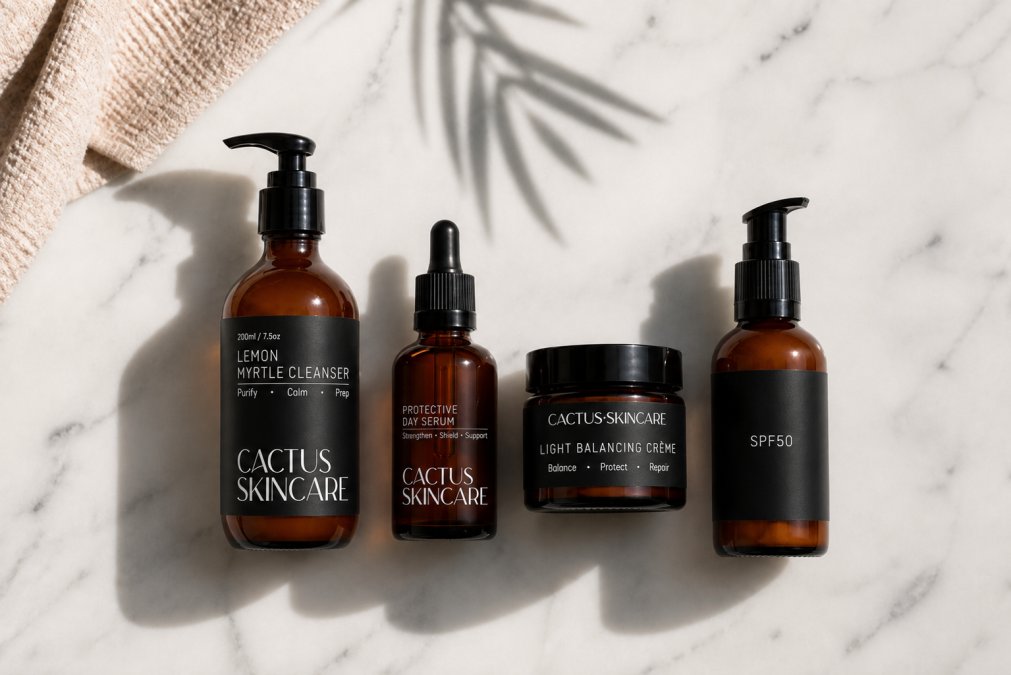
Morning Routine
- Cleanser - A gentle, pH-balanced cleanser removes overnight build-up without stripping the skin barrier.
- Serum - Apply your targeted serum while skin is still slightly damp for better absorption. Vitamin C or a niacinamide-based formula works well in the morning for antioxidant defence.
- Moisturiser - Lock in hydration and support the skin barrier. Even oily skin needs moisture.
- SPF - Sun protection is non-negotiable. Skipping it undoes everything else. As noted by the Cancer Council Australia's sun protection guidelines, daily SPF use is the most evidence-backed step for long-term skin health.
Evening Routine
The evening routine follows the same structure, with one key difference: swap SPF for a richer moisturiser or a treatment product such as a retinoid or bakuchiol serum. Night is when cellular turnover is most active, making it the ideal time for renewal-focused actives.
How to Layer Skincare Products Correctly
Layering order matters more than most people realise. Apply products in the wrong sequence and you can block absorption, reduce efficacy, or cause irritation.
The rule is simple: thinnest to thickest. Water-based products absorb first; oil-based products seal everything in last.
Step |
Product Type |
Why This Order |
|---|---|---|
1 |
Cleanser |
Removes barriers to absorption |
2 |
Serum |
Lightweight, concentrated actives absorb deeply |
3 |
Eye cream |
Targeted treatment before heavier layers |
4 |
Moisturiser |
Seals in hydration, supports skin barrier |
5 |
SPF (AM only) |
Always the final step in the morning |
A common mistake is applying a heavy moisturiser before a serum. The moisturiser creates a physical barrier that prevents the active ingredients in your serum from penetrating properly. Sequence matters.
For active ingredients, be mindful of combinations. Vitamin C and retinoids should generally not be used at the same time. Vitamin C works best in the morning; retinoids and bakuchiol are better suited to evenings. Patch testing any new active on a small area of skin for several days before full application is always worth the extra caution.
Skincare Routine for Reactive Skin: A Gentler Path
Reactive skin needs a different strategy entirely. The instinct when skin is breaking out or inflamed is to throw more actives at it. This almost always makes things worse.
A skincare routine for reactive skin starts with stripping back, not adding. The goal in the first few weeks is to calm inflammation, restore the skin barrier, and reintroduce products one at a time.
What this looks like in practice:
- One gentle, fragrance-free cleanser
- One barrier-focused moisturiser with ectoin, ceramides, or prickly pear extract
- SPF daily, ideally a mineral formula which tends to be better tolerated
- No exfoliants until the barrier has stabilised
The thing nobody tells you about reactive skin is that it often becomes reactive because of too much intervention. Over-exfoliation with strong acids, layering multiple actives, and switching products too frequently are the most common triggers. Consistency with a simple, barrier-supportive routine does more over 8 to 12 weeks than any high-potency treatment will in a fortnight.
Benefits of Bioactive Botanical Skincare in 2026
Bioactive botanical skincare is the most significant shift in the skincare industry over the past few years, and in 2026 it has moved firmly into the mainstream.
Bioactive botanical skincare is the formulation of skincare products using plant-derived compounds that have measurable, evidence-backed effects on skin function, rather than simply adding botanical extracts for fragrance or marketing appeal.
The distinction matters. A product with a trace of lavender extract is not bioactive. A product formulated with concentrated prickly pear extract, ectoin, peptides, and bakuchiol, each at clinically relevant concentrations, is.
The key benefits of this approach include:
- Barrier support without aggression - Botanicals like prickly pear and AquaCacteen work with the skin's natural biology rather than forcing a response
- Antioxidant defence - Plant-derived antioxidants help protect against environmental stressors and oxidative damage
- Hydration at a cellular level - Ectoin and hyaluronic acid draw and retain moisture within the skin layers, not just at the surface
- Visible renewal - Bakuchiol and RetinART offer retinoid-like renewal benefits with significantly better tolerability for sensitive skin
- Collagen support - Peptides signal the skin to support its own collagen production over time
According to Cosmetics & Toiletries industry research on bioactive ingredients, consumer demand for clinically validated botanical actives has grown substantially as shoppers become more ingredient-aware.
Cactus Skincare was built around exactly this philosophy: combining potent botanical extracts with advanced bioactive technologies to create formulas that perform without compromising the skin barrier.
2026 Skincare Trends Worth Paying Attention To
The skincare landscape in 2026 has shifted in a few meaningful directions.
Barrier-first formulation has moved from niche to standard. After years of high-potency acid and retinoid culture damaging skin barriers en masse, the industry has corrected. Consumers and dermatologists alike are now prioritising skin barrier health as the foundation of any effective routine.
Skin longevity is replacing the anti-ageing conversation. The focus is less on reversing visible signs of ageing and more on maintaining skin health, resilience, and function over time. Peptides, antioxidants, and adaptogens are the key ingredients driving this trend.
Eco-conscious formulation is no longer optional. Consumers increasingly want to know where ingredients come from, how they are sourced, and what the packaging footprint looks like. Certified organic ingredients, minimal packaging, and transparent supply chains are now purchase drivers, not nice-to-haves.
Ingredient literacy has reached a new level. Shoppers are reading labels, researching actives, and asking harder questions. Brands that cannot explain why an ingredient is in their formula at what concentration are losing trust quickly.
Microbiome awareness is growing. The understanding that a healthy skin microbiome supports barrier function, reduces reactivity, and influences skin clarity is reshaping how brands approach formulation, particularly for sensitive and acne-prone skin.
Which Cactus Skincare Kit Suits Your Routine?
The easiest way to start a skincare routine without the guesswork is a curated kit matched to your skin type. Cactus Skincare offers several options designed to take the complexity out of beginning.
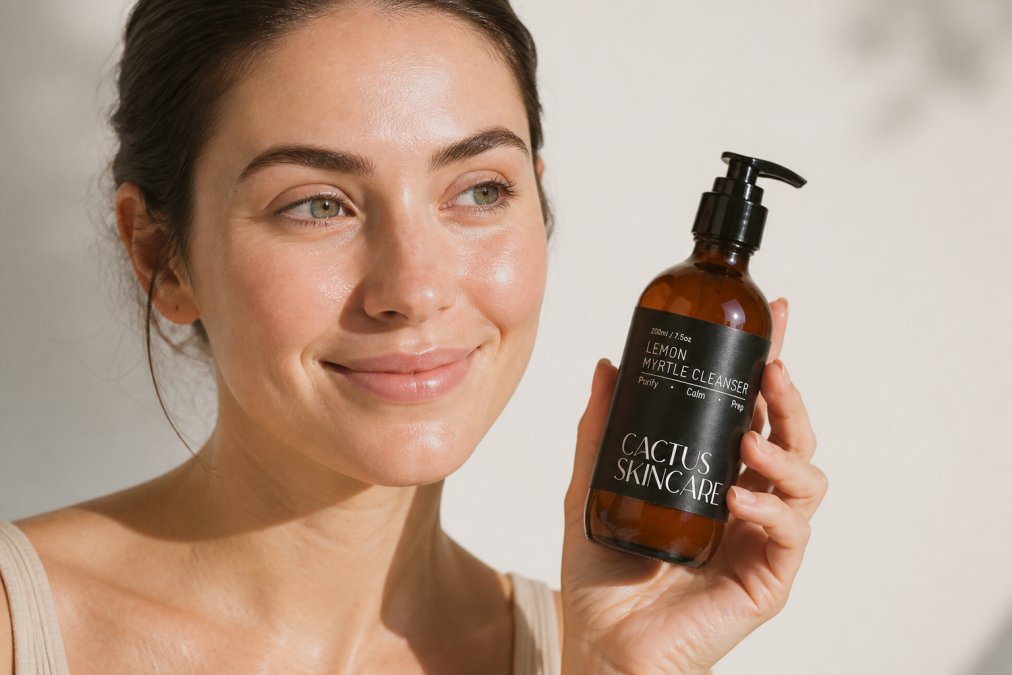
For oily or breakout-prone skin: The Oily Skin Kit combines the signature Prep Pack for clearing congestion and regulating sebum with the Light Balancing Crème for hydration that does not overload the skin.

For combination skin: The Combination Skin Kit - Deluxe addresses both oiliness and dry patches, delivering balance and a hydrated, plumped glow.

For normal skin: The Normal Skin Kit nourishes and maintains balance, pairing the brightening Prep Pack with the Nature's Antioxidant Crème for ongoing vitality.

For all skin types, travel-ready: The Cactus Travel Ritual brings the full everyday routine in travel-friendly sizes, housed in the signature Cactus Travel Bag.

Not sure where to start? The Perfect Skin Prep Kit is the bestseller for a reason. It covers cleansing, exfoliation, and masking in one complete brightening regimen, suitable for most skin types.

Building a Routine That Actually Sticks
The psychological side of skincare is the part most guides skip entirely, and it is often what determines whether a routine lasts.
Skincare fatigue is real. It happens when a routine feels like a chore, when results take too long to appear, or when the routine is too complicated to maintain on a tired Tuesday night. The solution is not motivation. It is simplicity.
A few things that genuinely help:
- Start with two steps, not ten. A cleanser and a moisturiser used every single day will produce better results than a seven-step routine abandoned after three weeks.
- Attach your routine to an existing habit. Morning coffee, brushing your teeth, or your shower. Habit stacking makes consistency automatic rather than effortful.
- Give products time. Most active ingredients need eight to twelve weeks of consistent use before results are visible. Switching products after two weeks is the most common reason people never see progress.
- Track one thing. Take a photo in the same light every two weeks. Skin changes slowly and it is easy to miss progress without a reference point.
- Build sustainably. A routine you can afford and maintain long-term is worth more than a premium routine you use for a month. Start with the essentials and add products as your understanding of your skin grows.
The real difference between people who see results and those who do not almost always comes down to consistency, not complexity. Simpler routines, maintained over time, win every time.
Building a skincare routine that works takes more than buying the right products. It takes understanding your skin, choosing formulas that support rather than stress your barrier, and committing to consistency over time. Cactus Skincare was designed for exactly this: bioactive formulas that deliver visible results without compromising sensitive or reactive skin. Get started with Cactus Skincare and build a routine your skin will thank you for.
Frequently Asked Questions
Q: What is the best skincare routine for 2026?
A: The best skincare routine in 2026 is a simple, consistent one built around your skin type. Start with a gentle cleanser, a targeted serum with active ingredients like niacinamide or hyaluronic acid, a moisturiser to support your skin barrier, and SPF every morning. The 2026 trend leans toward fewer, smarter products with bioactive botanicals rather than a shelf full of actives that can overwhelm sensitive skin.
Q: What are the key skincare trends for 2026?
A: The biggest trends for 2026 include barrier-first formulation, bioactive botanical ingredients like prickly pear and ectoin, and a move away from aggressive exfoliation toward gentle cellular renewal. Sustainability is also central, with consumers choosing clean, eco-conscious brands. Personalised routines based on skin concern rather than generic skin type are replacing one-size-fits-all approaches.
Q: What is the correct order to apply skincare products?
A: Apply skincare from thinnest to thickest texture. Start with a cleanser, then toner if you use one, followed by serum, eye cream, moisturiser, and SPF in the morning. At night, swap SPF for a richer night cream or treatment. This layering order helps each product absorb properly without blocking the next one. Always allow each layer a moment to settle before applying the next.
Q: Is a minimalist skincare routine better for skin health?
A: For most people, especially those with sensitive or reactive skin, a minimalist skincare routine is genuinely better. Using fewer products reduces the risk of ingredient conflict, over-exfoliation, and skin barrier damage. A four-step routine — cleanser, serum, moisturiser, SPF — covers the essentials without overloading the skin. Choosing products with high-quality bioactive ingredients means you can do more with less.
Q: How do I choose the right products for sensitive or reactive skin?
A: Look for products that are non-comedogenic, fragrance-free where possible, and formulated with barrier-supporting ingredients like hyaluronic acid, ectoin, or niacinamide. Avoid introducing multiple new products at once. Patch test every new product on a small area for a few days before applying it to your full face. Brands that prioritise gentle bioactive formulation over aggressive actives are a safer starting point for reactive skin.
Q: How does bioactive skincare differ from traditional formulas?
A: Traditional skincare often relies on a single hero ingredient at a standard concentration. Bioactive skincare uses clinically studied plant-derived and science-backed compounds, like peptides, bakuchiol, and prickly pear extract, at concentrations shown to produce measurable results. The goal is to work with the skin's biology rather than overriding it, which is why bioactive formulas tend to suit sensitive and reactive skin better than harsher clinical approaches.
Q: Which two serums should not be used together?
A: Avoid pairing vitamin C with retinoids or strong exfoliating acids like AHAs and BHAs in the same application. Vitamin C works best in the morning where it provides antioxidant defence, while retinoids and exfoliants are better suited to the evening. Using them together can destabilise the active ingredients and increase the risk of irritation, particularly for sensitive skin. If you use both, separate them into morning and evening steps.