

7 Best Ingredients for Sensitive Skin Barrier
Table of Contents
- What the Skin Barrier Is and Why It Matters
- Signs Your Skin Barrier Is Damaged or Weakened
- 1. Ectoin: The Cellular Protectant for Reactive Skin
- 2. Ceramides and Skin Lipids: Rebuilding the Barrier Foundation
- 3. Niacinamide: Calming Inflammation and Strengthening Resilience
- 4. Provitamin B5 (Panthenol): Deep Hydration and Moisture Retention
- 5. Centella Asiatica and Soothing Botanicals: Reducing Redness
- 6. Hyaluronic Acid: Supporting Water Retention and Hydration
- Frequently Asked Questions
Last Updated: October 5, 2026
What the Skin Barrier Is and Why It Matters
The skin barrier is the outermost layer of your skin, composed of lipids, ceramides, and proteins that work together to lock in moisture and keep irritants out. Think of it as your skin's protective shield, when it's functioning well, your complexion looks plump, calm, and resilient. When it's compromised, everything feels reactive.
Your skin barrier retains water, blocks harmful substances, and supports your skin's natural microbiome. For sensitive skin, a weakened barrier causes redness, stinging, dryness, and reactive cycles.
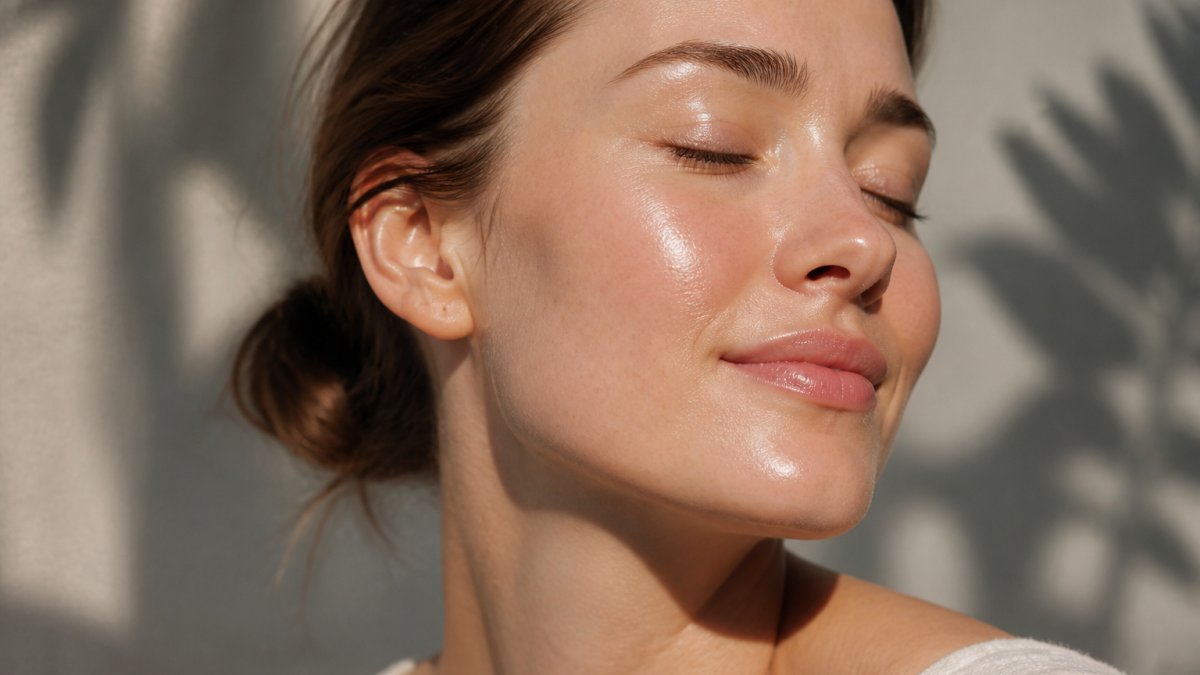
Close up of healthy, glowing skin showing smooth texture and even tone with soft natural lighting highlighting skin radiance and luminosity
The 7 best ingredients for sensitive skin barrier address the actual mechanics of barrier repair: restoring lipids, reducing inflammation, and strengthening resilience without irritation.
Signs Your Skin Barrier Is Damaged or Weakened
A compromised skin barrier shows unmistakable signs. Understanding severity helps you decide whether barrier-repair ingredients will help or professional assessment is needed.
Mild barrier compromise typically presents as:
- Persistent tightness or dryness even after moisturising
- Mild redness that appears after product application or environmental exposure
- Slight stinging when using products that previously felt neutral
- Texture roughness or minor bumpy patches
Moderate barrier damage includes:
- Visible redness or flushing that persists throughout the day
- Stinging or burning sensations with most products, even gentle ones
- Breakouts alongside dryness (a sign bacteria are proliferating in a weakened barrier)
- Sensitivity to temperature changes, friction, or water temperature
- Dull, dehydrated appearance despite regular moisturising
Severe barrier compromise shows as:
- Intense burning, stinging, or pain with any product application
- Visible peeling, cracking, or weeping skin
- Widespread redness or hives
- Swelling or puffiness
- Symptoms that worsen despite barrier-support products
When to seek professional assessment: Consult a dermatologist if symptoms are moderate or severe, persist beyond 2 weeks despite barrier repair ingredients, or show signs of infection (warmth, pus, spreading redness). Conditions like contact dermatitis, rosacea, eczema, or fungal infection mimic barrier damage but require different treatment.
The most telling sign of barrier compromise is reactivity: even gentle products feel harsh. Your barrier is asking for help, and the approach depends on damage severity.
A practical next step: Perform a 48 hour patch test on a small area before introducing barrier-repair ingredients. If redness, stinging, or swelling appears within 24 hours, the ingredient is too strong; wait 1 2 weeks or choose a gentler alternative.
1. Ectoin: The Cellular Protectant for Reactive Skin
Ectoin is a naturally occurring amino acid that stabilises skin proteins and helps cells retain water. Unlike humectants that draw moisture from air, ectoin strengthens cells' ability to hold hydration at a molecular level.
For reactive skin, ectoin calms inflammation without suppressing natural immune response. Most people see visible improvement in redness and comfort within 1-2 weeks.
Effective ectoin formulations contain 1-3%. Pair with hydrating base layers, never with strong exfoliants or retinoids when your barrier is compromised.
The Regenerative Night Serum from Cactus Skincare includes ectoin alongside pro-vitamin B5, specifically formulated to calm inflammation and reinforce barrier resilience overnight without the irritation of traditional actives.

2. Ceramides and Skin Lipids: Rebuilding the Barrier Foundation
Ceramides are lipid molecules that form your skin barrier's structural foundation. When damaged, ceramide levels drop and skin loses its ability to retain water regardless of moisturiser application.
Ceramide NP, AP, and EOP are most researched for barrier repair. Ceramide NP is most abundant in human skin. Look for formulations with at least two types; blends are more effective than single ceramides.
Effective barrier-repair moisturisers contain 3-5% ceramide complex. Below 1% is marketing language; above 5% becomes too heavy or unstable.
Ceramide Type |
Function |
Best For |
|---|---|---|
Ceramide NP |
Restores primary barrier lipids |
Most skin types, barrier repair |
Ceramide AP |
Supports intercellular cohesion |
Dry, reactive, mature skin |
Ceramide EOP |
Strengthens barrier resilience |
Compromised or over-treated skin |
Pair ceramides with essential fatty acids like linoleic and oleic acid; ceramides rebuild structure while fatty acids fill gaps and maintain fluidity. The Intense Hydrating Crème from Cactus Skincare combines ceramides with rosehip oil and shea butter for structural repair and nourishment.

3. Niacinamide: Calming Inflammation and Strengthening Resilience
Niacinamide (vitamin B3) reduces inflammation, strengthens barrier function by supporting ceramide synthesis, and regulates sebum production, all without irritation.
Niacinamide effectively calms redness and visible irritation within 3-5 days. It's one of the few actives you can layer safely with other ingredients, making it ideal for reactive skin.
Effective concentration is 2-5%. Below 2%, benefits are minimal; above 5%, irritation risk increases in very sensitive skin. Start at 2-3% and gradually increase if your barrier is severely compromised.
The Protective Day Serum includes niacinamide alongside ectoin and pro-vitamin B5, creating a synergistic blend that strengthens barrier function while defending against environmental stress throughout the day.
4. Provitamin B5 (Panthenol): Deep Hydration and Moisture Retention
Panthenol draws moisture into skin and helps it stay there. Unlike glycerin, it absorbs cleanly without residue and has mild anti-inflammatory properties, making it valuable for reactive skin.
Panthenol penetrates skin and converts to pantothenic acid, supporting natural moisture-retention mechanisms, crucial for barrier repair since you need long-term hydration, not temporary water addition.
Effective concentrations range from 1-5%. Most barrier-repair formulations use 2-3%, which balances hydration benefit with texture. Panthenol layers beautifully under other moisturisers and serums, making it an excellent first step after cleansing on damp skin.
The combination of panthenol with ceramides and essential fatty acids creates a three-pronged approach: hydration, structural repair, and nourishment. This is why layering a panthenol-rich serum under a ceramide-rich moisturiser accelerates barrier recovery.
5. Centella Asiatica and Soothing Botanicals: Reducing Redness
Centella asiatica (also called cica or tiger grass) is a traditional remedy that modern research has validated for barrier repair and inflammation reduction (pubmed.ncbi.nlm.nih.gov). It contains compounds called triterpenes that stimulate collagen synthesis, reduce redness, and strengthen the structural integrity of skin. For reactive skin, centella is remarkably effective at calming visible irritation without suppressing your skin's natural healing response.
Centella works best in extracts or standardised forms rather than whole-plant material. Look for products listing "centella asiatica extract" or specifying triterpene content. The effective concentration is typically 1-5%, with most formulations using 2-3%.
Complementary soothing botanicals amplify the effect. Allantoin, derived from comfrey root, accelerates skin healing and reduces irritation. Bisabolol, from chamomile, is a gentle anti-inflammatory. Oatmeal (colloidal oatmeal) soothes and protects. These work synergistically, a formula combining centella, allantoin, and bisabolol outperforms any single ingredient alone.
The Nature's Antioxidant Crème includes lavender oil and olive leaf extract alongside botanical actives, creating a calming blend specifically formulated for sensitive and reactive skin types.

6. Hyaluronic Acid: Supporting Water Retention and Hydration
Hyaluronic acid (HA) is a humectant that holds up to 1000 times its weight in water, making it essential for barrier repair, but only when used correctly. The molecular weight matters significantly, and this is where many barrier-repair routines fail.
Understanding molecular weight and penetration:
High molecular weight HA (above 1 million Daltons) sits on the skin's surface and provides surface hydration and plumping. It creates a temporary moisture film but doesn't penetrate deeper layers. Low molecular weight HA (below 10,000 Daltons) penetrates the epidermis and supports internal hydration at the cellular level.
For barrier repair, you need both. High-molecular-weight HA seals the surface and prevents transepidermal water loss (TEWL). Low-molecular-weight HA supports the deeper hydration your barrier cells need to function.
Concentration and formulation:
Effective HA concentrations range from 0.5-2%, with most formulations using 1%. Below 0.5%, the hydration benefit is minimal. Above 2%, the formula often becomes tacky or unstable. Some advanced formulations use a combination of HA salts (sodium hyaluronate) and pure HA to balance penetration and stability.
The critical application rule:
Apply hyaluronic acid to damp skin, never dry skin. This is non negotiable. On dry skin, HA can actually draw water from deeper layers upward and then evaporate, leaving your skin drier than before, the opposite of what you want during barrier repair.
Layering HA with other barrier-repair ingredients:
Hyaluronic acid pairs beautifully with every ingredient on this list, but the order matters. Apply HA first (on damp skin), then layer panthenol-based serums, then seal with ceramide and fatty-acid moisturisers. Niacinamide and centella can go in the same serum as HA or in a separate step, both work.
Never apply HA over occlusive oils or heavy moisturisers. It needs access to damp skin to work. If you're using a facial oil as part of your routine, apply it after your HA and moisturiser, not before.
When HA causes irritation or over-hydration:
Some people with severely compromised barriers experience stinging or increased sensitivity when using HA, particularly low-molecular-weight forms. This usually means your barrier is too damaged to tolerate the osmotic pull HA creates. Solution: temporarily skip HA and focus on ceramides, panthenol, and centella for 2-3 weeks.
Other people experience a "waterlogged" feeling, skin that feels puffy, congested, or uncomfortable despite being hydrated. This typically happens when HA concentration is too high or when it's applied without a proper moisture seal.
Why HA alone isn't enough:
Hyaluronic acid is a hydration tool, not a barrier-repair ingredient. It draws and holds water, but it doesn't rebuild the lipid structure your barrier needs. This is why HA must always be paired with ceramides, fatty acids, and soothing actives.
Ingredient |
Primary Role |
Best Concentration |
Application Timing |
|---|---|---|---|
Ectoin |
Cellular protection |
1-3% |
Serum or moisturiser |
Ceramides |
Barrier structure |
3-5% |
Moisturiser |
Niacinamide |
Anti-inflammation |
2-5% |
Serum or moisturiser |
Panthenol |
Hydration & conditioning |
2-3% |
Serum, before moisturiser |
Centella Asiatica |
Soothing & healing |
2-3% |
Serum or moisturiser |
Hyaluronic Acid |
Water retention |
0.5-2% |
Serum, on damp skin |
Frequently Asked Questions
What ingredients help repair the skin barrier most effectively?
The seven most effective ingredients for sensitive skin barrier repair are ectoin, ceramides, niacinamide, provitamin B5, centella asiatica, hyaluronic acid, and bakuchiol. Ectoin protects cells from stress, ceramides rebuild the lipid layer, niacinamide reduces inflammation, and provitamin B5 locks in hydration. Centella asiatica soothes redness, hyaluronic acid supports water retention, and bakuchiol gently renews skin without the irritation of traditional retinol. Using these together in a structured routine accelerates barrier recovery.
Is niacinamide suitable for sensitive skin with a damaged barrier?
Yes, niacinamide is one of the safest and most effective ingredients for sensitive skin. It strengthens the skin barrier by supporting ceramide production, reduces inflammation and redness, and improves skin resilience without causing irritation. Most people with compromised barriers tolerate niacinamide well, even at higher concentrations. It works synergistically with other barrier-repair ingredients like ceramides and provitamin B5 to speed healing and calm reactive skin.
How long does it take to repair a damaged skin barrier?
Most people see noticeable improvement in 2-4 weeks of consistent barrier-support care, with full recovery typically taking 6-12 weeks depending on severity. Mild damage may heal in 3-4 weeks, while severe barrier compromise from over-exfoliation or aggressive treatments may require 8-12 weeks. Consistency matters more than speed: using barrier-repair ingredients daily, avoiding triggering actives, and protecting skin from environmental stress all accelerate healing. Patience and a simplified routine yield the best results.
What ingredients should you avoid when your skin barrier is damaged?
Avoid physical exfoliants, chemical exfoliants (AHAs, BHAs, vitamin C), retinol, benzoyl peroxide, fragrance, essential oils, and products with high alcohol content. These strip moisture, increase inflammation, and delay barrier repair. Also skip actives like niacinamide at very high concentrations initially, peptides in excess, and any product that causes stinging or redness. Focus instead on gentle cleansing, hydrating ingredients, and barrier-support actives like ectoin, ceramides, and provitamin B5 until your skin recovers.
Can ceramides really help repair a damaged skin barrier?
Yes, ceramides are essential for barrier repair. They make up 50% of the skin's lipid barrier and work with cholesterol and fatty acids to seal moisture in and keep irritants out. When the barrier is damaged, ceramide levels drop, increasing water loss and sensitivity. Topical ceramides (especially ceramide NP, AP, and EOP) replenish this lipid layer, restore the skin's protective function, and reduce redness and irritation. Combining ceramides with niacinamide and provitamin B5 maximises their effectiveness.